
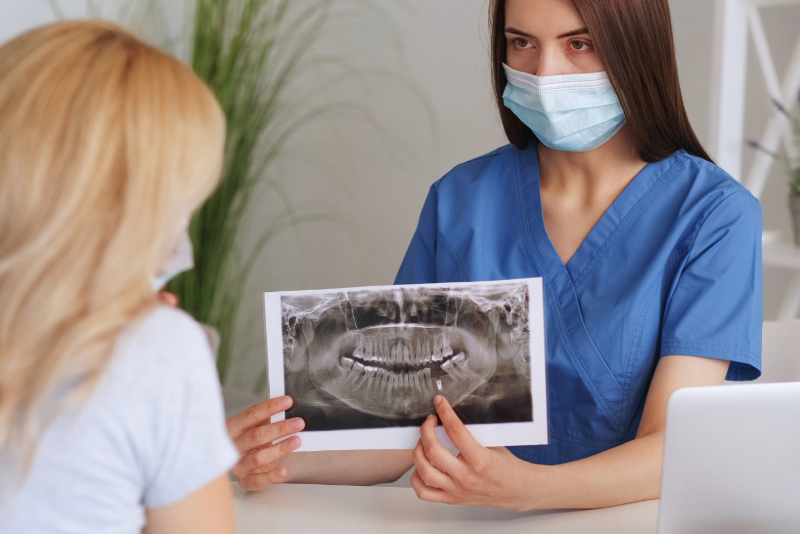
Regular dental check-ups do more than look for cavities and gum disease. They also give your dental team a chance to check for changes in the mouth, lips, tongue, and surrounding tissues that may need closer attention. At our Langley dental clinic, oral cancer screenings are an important part of preventive care because early detection can improve the chances of finding a problem before it becomes more serious. Major dental and medical sources note that oral cancer screenings are typically quick visual and physical exams performed during routine visits.
Maintaining consistent check-ups is also an important part of preventive oral care habits, helping detect issues early and support long-term health.
What Is an Oral Cancer Screening?
An oral cancer screening is an examination performed by a dentist or doctor to look for signs of oral cancer or precancerous changes in the mouth. During the screening, the provider checks the lips, cheeks, tongue, floor and roof of the mouth, and may also feel the jaw, neck, or surrounding tissues for lumps or unusual changes. Screening is not meant to diagnose cancer by itself, but it helps identify areas that may need monitoring, referral, or biopsy.
Why Early Detection Matters
One of the biggest concerns with oral cancer is that early stages may not cause obvious pain or symptoms. That means a person can feel fine and still have changes that should be evaluated.
Oral health is closely connected to overall health, and research continues to show the importance of oral health and heart health connections, making early detection even more critical.
The American Dental Association has recently reaffirmed the importance of clinical exams in early detection, and Mayo Clinic also notes that mouth cancers may first be noticed during an examination of areas with irritation, sores, or white patches.
Who May Be at Higher Risk?
Anyone can develop oral cancer, but some factors are linked with higher risk. These include tobacco use, heavy alcohol use, prolonged sun exposure to the lips, and infection with certain high-risk types of HPV. The National Cancer Institute notes that HPV, especially HPV-16, is an important risk factor for some cancers involving the tonsils and base of the tongue, which are part of the oropharynx.
Symptoms and Warning Signs to Watch For
You should not ignore changes in your mouth that last longer than expected. Warning signs can include:
- a sore in the mouth that does not heal
- red or white patches
- a lump or thickened area
- numbness in the mouth or tongue
- pain or difficulty chewing or swallowing
- a persistent sore throat or hoarseness
- a feeling that something is caught in the throat
These symptoms do not automatically mean cancer, but they should be assessed if they persist. Mayo Clinic and the NCI both list non-healing sores, red or white patches, and swallowing-related symptoms among warning signs that deserve evaluation.
What Happens During the Screening?
For most patients, the screening is quick and painless. Your dentist visually examines the inside of your mouth and checks for unusual spots, ulcers, tissue changes, or swelling. They may also feel your jawline, neck, and oral tissues to look for lumps or tenderness. If anything appears suspicious, the next step may be follow-up monitoring, referral to a specialist, or biopsy rather than immediate assumptions.
Why It Belongs in a Routine Check-Up
Many people think cancer screening is only necessary if they smoke or already have symptoms. In reality, a routine dental exam is one of the easiest opportunities to look for oral abnormalities before they become advanced.
Environmental factors like dry air can also affect oral tissues—especially in colder months—so understanding dry mouth in cold weather can help patients stay aware of changes.
Since oral cancer screenings can be done during regular dental visits, they fit naturally into preventive dental care without requiring a separate appointment in many cases.
How Often Should You Be Screened?
The right timing depends on your age, health history, risk factors, and your dentist’s clinical judgment. Many dentists check for oral cancer as part of routine examinations, especially for adults and for patients with higher-risk histories. Rather than waiting for symptoms, it is a good idea to ask whether your regular exam includes an oral cancer screening. This is a practical step for anyone who wants a more complete preventive care visit from a dentist in Langley BC.
When to Book an Appointment Sooner
You should book an appointment promptly if you notice a mouth sore that does not heal, unexplained lumps, ongoing hoarseness, pain when swallowing, or red or white patches that do not go away. Persistent changes deserve professional attention even if they seem minor at first. A dental exam can help determine whether the area is likely to be irritation, infection, or something that needs further investigation.
Final Thoughts
Oral cancer screenings are a simple but important part of preventive dentistry. They are quick, non-invasive, and can help identify problems that are easier to manage when found early. If it has been a while since your last exam, booking a visit at our Langley dental clinic is a smart step toward protecting your oral and overall health. For patients looking for a trusted Langley dental care clinic, routine check-ups that include screening can offer added peace of mind.