
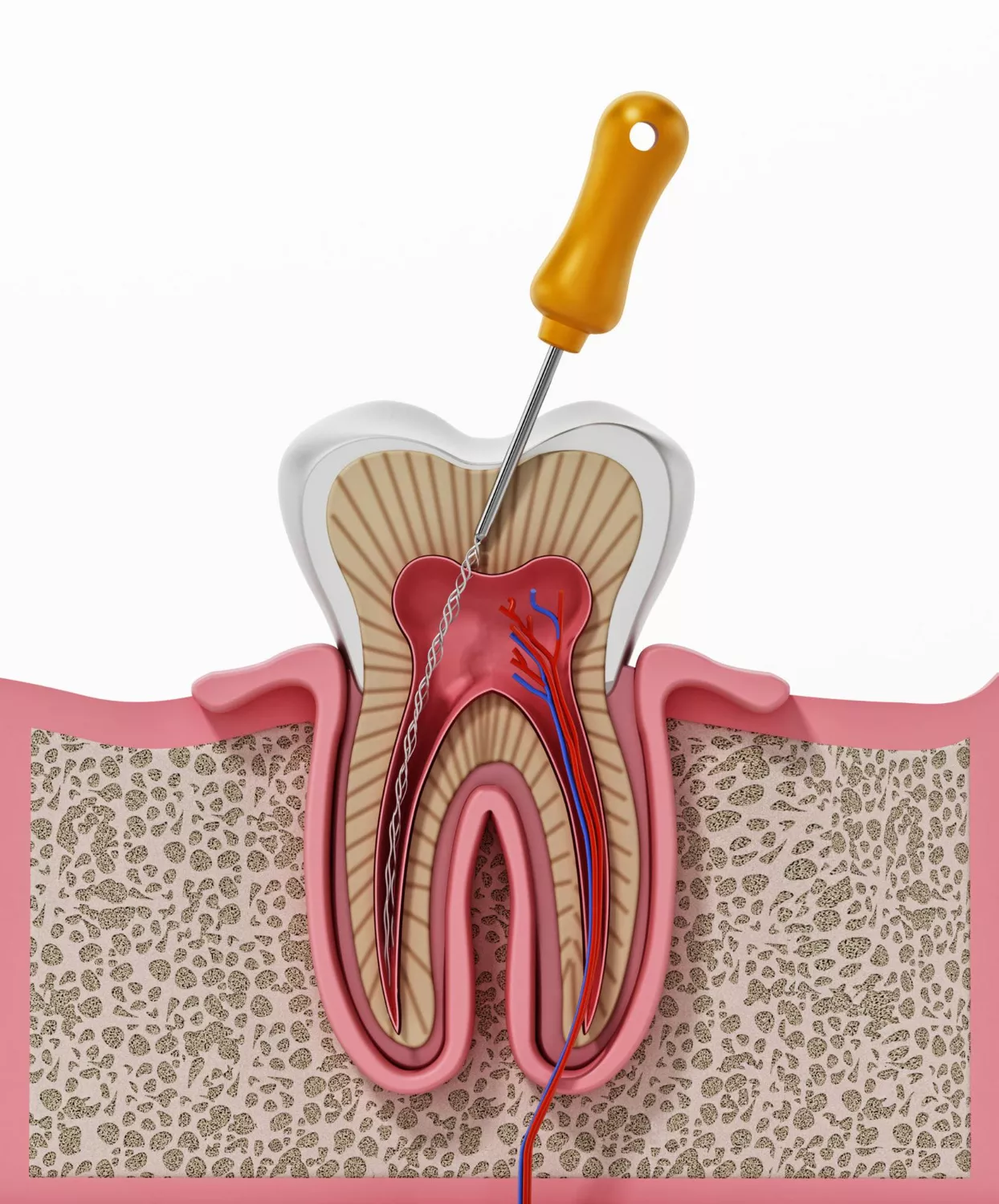
Root canal therapy has long been associated with discomfort; however, advancements in endodontics have significantly improved both patient experience and clinical outcomes. In 2026, modern root canal treatment is a predictable, minimally invasive procedure designed primarily to relieve pain rather than cause it.
Patients seeking care at a reputable Langley dental care clinic are often experiencing symptoms related to pulpal inflammation or infection. The objective of treatment is to eliminate the source of infection while preserving the natural dentition and restoring function.
Understanding Root Canal Treatment
Root canal treatment is an endodontic procedure indicated when the dental pulp becomes inflamed or infected due to deep caries, trauma, or repeated restorative procedures. The pulp tissue contains neurovascular components that, when compromised, can lead to significant pain and infection.
The procedure involves:
- Removal of infected or necrotic pulp tissue
- Chemomechanical debridement of the root canal system
- Disinfection using antimicrobial solutions
- Three-dimensional obturation to seal the canal and prevent reinfection
This approach allows for the preservation of the natural tooth while eliminating pathogenic microorganisms.
Is Root Canal Treatment Painful? Clinical Perspective
From a clinical standpoint, contemporary endodontic treatment is performed under effective local anesthesia, ensuring that the procedure itself is generally painless. In fact, the discomfort patients associate with root canals is typically due to the underlying pathology rather than the treatment.
Advancements contributing to improved patient comfort include:
- Long-acting local anesthetics
- Rotary endodontic instrumentation for precision and efficiency
- Enhanced irrigation protocols for effective disinfection
- Minimally invasive access techniques
Patients treated by the best dentist in Langley can expect a level of comfort comparable to routine restorative procedures.
Pathophysiology of Tooth Pain Prior to Treatment
Pain preceding a root canal is commonly associated with pulpal inflammation or infection. The progression typically involves bacterial invasion of the pulp chamber, leading to increased intrapulpal pressure and stimulation of nociceptive nerve fibers.
Clinical symptoms may include:
- Persistent or spontaneous pain
- Thermal sensitivity (especially to heat)
- Pain on percussion or mastication
- Localized swelling or abscess formation
If left untreated, the infection may extend beyond the tooth apex, potentially affecting surrounding bone and soft tissues.
Pulp Therapy: Scope and Applications
Pulp therapy encompasses a range of procedures aimed at preserving or treating the dental pulp depending on the extent of pathology. It is applicable in both adult and pediatric dentistry.
Common forms of pulp therapy include:
- Indirect pulp capping: Preservation of affected dentin to avoid pulp exposure
- Direct pulp capping: Placement of biocompatible materials over exposed pulp
- Partial pulpotomy: Removal of inflamed coronal pulp while maintaining vitality of remaining tissue
- Complete pulpectomy (root canal treatment): Removal of the entire pulp when infection is irreversible
Modern materials such as calcium silicate-based cements have improved the success rates of these procedures.
Advancements in Endodontics (2026 Update)
Recent innovations in endodontics have significantly enhanced treatment precision, efficiency, and outcomes. These advancements include:
- Digital radiography and cone-beam computed tomography (CBCT) for accurate diagnosis
- Nickel-titanium rotary instruments for efficient canal shaping
- Biocompatible obturation materials for improved sealing
- Magnification tools such as dental operating microscopes
- Improved irrigation systems for enhanced antimicrobial efficacy
These technologies have contributed to higher success rates and reduced postoperative complications.
Post-Treatment Recovery and Prognosis
Following root canal treatment, patients may experience mild postoperative sensitivity, particularly during mastication. This is typically transient and resolves within a few days.
Postoperative management includes:
- Use of analgesics if necessary
- Avoidance of excessive occlusal load on the treated tooth
- Placement of a definitive restoration (e.g., crown) to restore structural integrity
When performed appropriately, root canal therapy demonstrates high long-term success rates.
Root Canal Treatment vs Tooth Extraction
In many clinical scenarios, preserving the natural tooth through endodontic treatment is preferable to extraction. Maintaining the natural dentition supports proper occlusion, prevents adjacent tooth migration, and preserves alveolar bone integrity.
Extraction may be considered when:
- The tooth is structurally non-restorable
- There is extensive periodontal involvement
- Previous endodontic treatment has failed and retreatment is not feasible
A thorough evaluation at a Langley family dental clinic ensures that the most appropriate treatment option is selected.
Indications for Immediate Dental Evaluation
Patients should seek prompt evaluation if they experience:
- Persistent or severe dental pain
- Prolonged sensitivity to thermal stimuli
- Gingival swelling or purulent discharge
- Tooth discoloration
- Signs of systemic involvement such as fever
Early intervention improves prognosis and reduces the likelihood of complications.
Conclusion
Modern root canal treatment is a safe, effective, and patient-centered procedure that alleviates pain and preserves natural teeth. With advancements in endodontics and pulp therapy, the procedure is no longer associated with the level of discomfort it once was.
Patients seeking care at a trusted Langley dental care clinic can expect accurate diagnosis, evidence-based treatment, and a focus on long-term oral health. Early intervention remains essential in managing pulpal disease and preventing further complications.