

Introduction
Feeling a sharp twinge in your teeth when cold winter air hits your smile or when you enjoy a hot beverage is more than just uncomfortable—it’s a sign your oral health needs attention. Winter-related dental discomfort continues to be one of the most common seasonal concerns for patients in Canada. At Langley Dental, our clinical experience and current dental research guide patients toward practical, long-term solutions rather than temporary fixes.
Why Cold Weather Triggers Dental Pain
Modern dental research confirms that temperature extremes can directly stimulate the nerves inside your teeth. During winter, teeth naturally contract in response to cold air. If protective enamel is weakened or gums have receded, microscopic pathways form, allowing cold or heat to reach the inner pulp.
In addition, winter heating systems reduce indoor humidity, often leading to dry mouth. Saliva plays a critical role in buffering acids and strengthening enamel, so reduced saliva increases vulnerability to discomfort and decay. These combined factors explain why tooth sensitivity tends to spike during colder months.
Common Causes Dentists See Most Often
Based on ongoing clinical observations and patient diagnostics in 2026, the most frequent contributors include:
Enamel erosion from acidic diets or overuse of whitening products
Gum recession linked to brushing technique or periodontal changes
Microfractures caused by teeth grinding or jaw clenching
Undetected cavities or failing restorations
Post-procedure sensitivity following cosmetic treatments such as teeth whitening langley
Identifying the root cause is essential—treating symptoms alone often leads to recurring pain.

Evidence-Based Prevention You Can Start Today
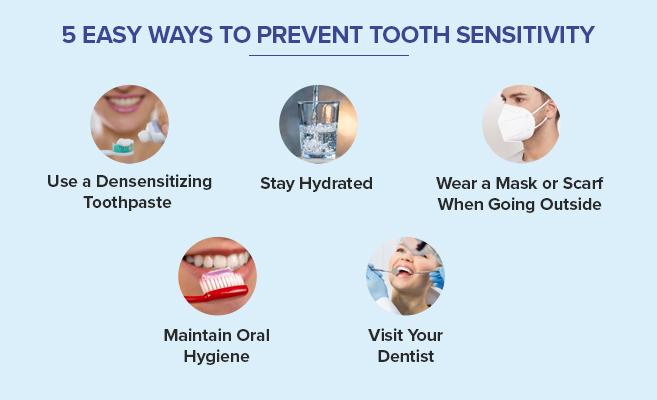
Preventive dental care has evolved significantly, and small daily changes can dramatically reduce winter discomfort:
Use remineralizing toothpaste formulated for nerve protection
Brush gently with a soft-bristled toothbrush and fluoride toothpaste
Limit acidic foods and rinse with water after consumption
Wear a professionally fitted night guard if you grind your teeth
Maintain indoor humidity and hydrate consistently
Patients undergoing teeth whitening dental care should follow professional aftercare protocols to protect enamel during colder seasons.
When At-Home Care Isn’t Enough
Persistent pain, especially when biting or chewing, may signal a deeper issue requiring professional evaluation. Modern diagnostic tools allow dentists to pinpoint nerve inflammation, structural cracks, or decay early. In these cases, targeted toothache pain treatment—such as fluoride varnishes, bonding, desensitizing agents, or restorative care—can provide long-term relief rather than temporary numbing.
Consulting a qualified dentist langley bc ensures that treatment is tailored to your specific dental structure and health history.
Conclusion
Winter dental discomfort isn’t something you have to accept as normal. With early intervention, evidence-based care, and professional guidance, sensitive teeth can be effectively managed—even in the coldest months. If winter temperatures are impacting your comfort, a comprehensive dental assessment can help you enjoy the season pain-free and protect your smile for the year ahead.