

Introduction
The holiday season brings joy, connection, and an abundance of sweet treats. From baked goods and chocolates to seasonal drinks and celebratory desserts, sugar consumption tends to rise sharply in December. While enjoying these traditions is part of the holiday spirit, dental research in 2026 continues to highlight how prolonged and frequent sugar exposure can quietly damage teeth. At Langley Dental, patient education and preventive care are key priorities—especially during high-risk seasons like the holidays.
Why the Holidays Are a High-Risk Time for Cavities
Cavities don’t form overnight, but the holiday season creates ideal conditions for tooth decay. Each time you eat or drink something sugary, bacteria in your mouth metabolize those sugars and release acids. These acids weaken enamel and begin demineralization almost immediately. Research shows that a single sugar exposure can trigger an acid attack lasting up to 20 minutes, sometimes longer if oral hygiene is compromised.
What makes December particularly risky is frequency. Grazing on snacks throughout the day means your teeth have little time to recover between acid attacks. Unlike structured meals, constant snacking keeps the mouth in a prolonged acidic state, increasing the likelihood of enamel breakdown and cavity formation.
The Hidden Dangers of Seasonal Favorites
Not all holiday treats affect teeth in the same way. Modern dental studies classify sweets based on how long they remain on tooth surfaces:
Sticky foods (caramels, gummies, toffee, dried fruit) adhere to enamel and crevices, extending acid exposure
Sugary beverages (hot chocolate, flavored lattes, cider, festive cocktails) coat teeth repeatedly, especially when sipped slowly
Acidic treats (sour candies, citrus-based desserts) weaken enamel directly, making teeth more vulnerable to decay
Even foods marketed as “natural” or “healthier,” such as dried fruits or honey-based snacks, can be just as harmful if they stick to teeth or are consumed frequently.
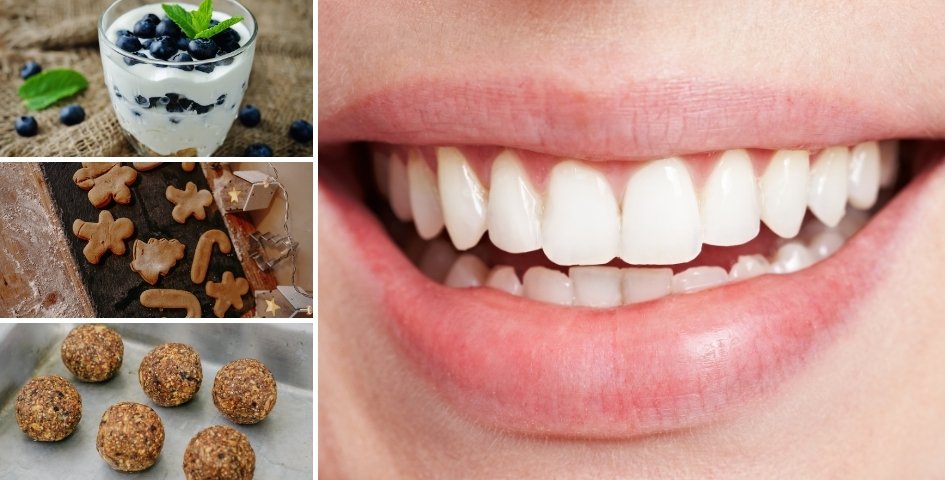
2026 Dental Insights: Saliva, Timing, and Tooth Recovery
Current dental research emphasizes the protective role of saliva more than ever. Saliva helps neutralize acids, wash away food particles, and deliver minerals that repair early enamel damage. During winter, dehydration and indoor heating often reduce saliva flow, compounding the effects of sugary diets.
To support your teeth’s natural defense system:
Stay well hydrated throughout the day
Chew sugar-free gum after meals to stimulate saliva production
Avoid late-night snacking when saliva flow naturally decreases
Timing sweets with meals—rather than between them—remains one of the most effective cavity-prevention strategies supported by current evidence.
Advanced Preventive Care You Can Use at Home
Dental care in 2026 has shifted toward proactive, enamel-strengthening routines. In addition to brushing and flossing, many patients benefit from:
Toothpaste containing nano-hydroxyapatite or high-fluoride formulations
Remineralizing mouth rinses designed to repair early enamel loss
Interdental cleaners or water flossers to disrupt plaque in hard-to-reach areas
These tools help counteract the increased sugar exposure common during the holidays.
Why Skipping Oral Care Is Costly
Holiday travel and packed schedules often lead to skipped brushing or rushed routines. Unfortunately, plaque bacteria multiply quickly—within 24 hours—making even short lapses in care significant. Plaque that isn’t removed hardens into tartar, which can only be professionally cleaned and significantly raises the risk of cavities and gum disease.
Maintaining consistency, even on busy days, is one of the most effective ways to protect your smile during the festive season.
The Role of Professional Dental Care Before and After the Holidays
Professional cleanings and checkups play a crucial role in cavity prevention. A pre-holiday visit removes plaque buildup, while post-holiday appointments can catch early signs of decay before they become painful or costly. Modern diagnostic tools allow dentists to identify enamel weakness long before cavities become visible.